Ever wondered what really runs your smartphone or computer behind the scenes? It’s not just your favorite games or social media apps—deep within your device, a hidden layer of essential software is working tirelessly. These are system apps, the unsung heroes of your digital experience.




What Are System Apps? The Core Definition

System apps, also known as system applications or built-in apps, are software programs pre-installed on a device’s operating system (OS) that perform essential functions to keep the system running smoothly. Unlike user-installed apps you download from app stores, system apps are deeply integrated into the OS and often operate with elevated privileges.
How System Apps Differ from User Apps
The primary distinction lies in origin and permissions. User apps are downloaded voluntarily by individuals from platforms like Google Play or the Apple App Store. In contrast, system apps come pre-loaded by the device manufacturer or OS developer—such as Google for Android or Apple for iOS.
- System apps are installed in the system partition, making them harder to remove.
- They often run at boot time and can start automatically without user interaction.
- User apps typically require explicit permission for sensitive actions, while system apps may already have broad access.
This difference is crucial for understanding device performance, security, and customization potential.
Examples of Common System Apps
Every major operating system includes a suite of system apps. On Android devices, examples include:
- Settings – Manages device configuration.
- Phone – Handles calling functionality.
- Contacts – Stores and manages personal and professional contacts.
- Google Play Services – Enables background functionality for Google apps and location services.
- System UI – Controls the look and feel of the interface, including the status bar and navigation buttons.
On iOS, system apps include Phone, Messages, Safari, Health, and Settings. These are not just convenient tools—they are foundational to the OS’s operation.
“System apps are the backbone of any modern operating system. Without them, even the most powerful hardware would be useless.” — TechCrunch, What Are System Apps?
Why System Apps Are Essential for Device Functionality
Without system apps, your smartphone or tablet wouldn’t function as intended. These applications manage core processes that enable everything from booting up the device to connecting to Wi-Fi networks.
Role in Booting and Initialization
When you power on your device, the bootloader starts the OS, which then launches critical system apps. For example, the Zygote process in Android is responsible for launching all other apps, including system ones. It acts as a template for app processes, improving startup speed and memory efficiency.
System apps like init (in Linux-based systems) execute scripts that initialize hardware components, mount file systems, and start essential services. This orchestration ensures that your device is ready for use within seconds.
Managing Hardware and Drivers
System apps serve as intermediaries between the OS and physical hardware. For instance, the Sensor Service app communicates with accelerometers, gyroscopes, and proximity sensors to enable features like screen rotation and auto-brightness.
Similarly, the Audio Flinger in Android manages audio routing and mixing, ensuring that music, calls, and notifications play correctly through the right output (speaker, headphones, Bluetooth).
- Camera app (system-level) interfaces with the camera daemon to capture photos.
- Wi-Fi Manager connects to networks using low-level drivers.
- Power Manager regulates battery usage and sleep modes.
These interactions happen seamlessly in the background, thanks to system apps.
The Architecture Behind System Apps
Understanding how system apps are structured helps explain their resilience and integration. They are built using the same frameworks as user apps but with deeper access to system resources.
Location in the File System
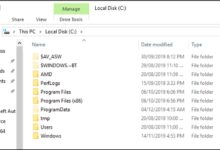
On Android, system apps reside in the /system/app or /system/priv-app directories. The former contains standard system apps, while the latter holds privileged apps with higher permissions (e.g., Settings, System UI).
Because these directories are part of the system partition, they are typically read-only. This prevents accidental deletion or modification, enhancing stability and security.
Permissions and Privileges
System apps are granted special permissions not available to regular apps. For example, they can:
- Access system-level APIs.
- Modify system settings without user confirmation.
- Broadcast intents that trigger actions across the OS.
- Run in the background indefinitely (subject to OS policies).
These privileges are defined in the app’s manifest file and signed with the same certificate as the OS, ensuring authenticity.
“The security model of modern OSs relies heavily on the integrity of system apps. A compromised system app can undermine the entire device.” — Android Developers, Android App Fundamentals
Common Types of System Apps by Function
System apps can be categorized based on their primary role in the OS. Understanding these categories helps users identify which apps are safe to disable (if possible) and which are critical.
Core OS Management Apps
These apps are indispensable for the OS to function. Examples include:
- Settings – Central hub for device configuration.
- System UI – Renders the status bar, navigation bar, and recent apps menu.
- Package Installer – Handles installation and updates of apps.
- Dreams (Android) – Manages screen savers when the device is docked.
Disabling these apps can lead to boot loops or unresponsive interfaces.
Connectivity and Communication Apps
These manage how your device connects to networks and other devices:
- Phone – Controls voice calls and SIM card functions.
- Messages – Handles SMS and MMS (and sometimes RCS).
- Bluetooth Share – Enables file transfer via Bluetooth.
- Wi-Fi Assistant – Automatically connects to trusted networks.
While some of these can be replaced with third-party alternatives, disabling them may break core communication features.
Security and Maintenance Apps
These ensure the device remains secure and performs optimally:
- Google Play Services – Provides APIs for authentication, location, and push notifications.
- Device Health Services – Monitors battery, storage, and performance.
- Security Policy App – Enforces enterprise policies on managed devices.
- Google One – Offers backup and storage management.
These apps often run silently but are vital for long-term device health.
Can You Remove or Disable System Apps?
This is one of the most frequently asked questions about system apps. The short answer: it depends on your device, OS version, and whether you have root access.
Disabling vs. Uninstalling System Apps
On most stock Android and iOS devices, you cannot uninstall system apps. However, you can often disable them. Disabling hides the app from the app drawer and stops it from running, but it remains on the system partition.
To disable a system app on Android:
- Go to Settings > Apps.
- Tap the three-dot menu and select Show system apps.
- Find the app, tap it, and choose Disable.
On iOS, system apps can be removed from the home screen (iOS 14+), but they are not truly uninstalled—they remain in the App Library and can be re-added.
Risks of Removing System Apps
While removing bloatware might seem appealing, it carries risks:
- System instability: Removing a critical app can cause crashes or boot failures.
- Loss of functionality: Disabling Google Play Services breaks app updates and location services.
- Security vulnerabilities: Tampering with system apps can open backdoors for malware.
- Voided warranty: Rooting or jailbreaking often invalidates manufacturer support.
A study by Kaspersky in 2023 found that 34% of Android malware exploits modified system apps, highlighting the dangers of unauthorized changes.
“Tampering with system apps is like removing engine parts from a car while it’s running—it might seem fine at first, but failure is inevitable.” — Kaspersky Lab, System App Security Risks
System Apps and Security: What You Need to Know
Because system apps have deep access to your device, they are both powerful and potentially dangerous if compromised.
How System Apps Can Be Exploited
Cybercriminals target system apps because of their high privileges. Common attack vectors include:
- Pre-installed bloatware: Some manufacturers install third-party apps with poor security practices.
- Firmware vulnerabilities: Bugs in system apps can allow privilege escalation.
- Supply chain attacks: Malicious code injected during manufacturing or updates.
In 2022, researchers discovered the Triout malware, which disguised itself as a system app to bypass Google Play Protect and steal banking credentials.
Best Practices for Securing System Apps
To minimize risk:
- Keep your OS updated—patches often fix system app vulnerabilities.
- Avoid rooting or jailbreaking unless absolutely necessary.
- Review app permissions regularly, even for system apps.
- Use reputable antivirus software that scans system partitions.
- Download firmware only from official sources.
Google’s Android Security Bulletin regularly discloses vulnerabilities in system apps, helping users stay informed.
System Apps Across Different Operating Systems
While the concept of system apps is universal, their implementation varies across platforms.
Android: Flexibility with Complexity
Android, being open-source, allows greater customization of system apps. OEMs like Samsung, Xiaomi, and OnePlus add their own layers (e.g., Samsung One UI, MIUI) with additional system apps.
This leads to:
- More features but also more bloatware.
- Varying update speeds depending on the manufacturer.
- Different permission models for system apps.
Google has been working to reduce fragmentation by moving key system functions to Google Play Services, which can be updated independently of the OS.
iOS: Simplicity and Control
Apple maintains tight control over iOS system apps. All iPhones ship with a standardized set of apps, and users cannot disable most of them until iOS 14.
Even then, removal is cosmetic—apps remain in the system. Apple’s approach prioritizes:
- Security through sandboxing.
- Consistent user experience.
- Minimal system tampering.
This reduces the risk of malware but limits customization.
Windows and macOS: Desktop System Apps
On desktop OSes, system apps include:
- Windows: Cortana, Windows Defender, Settings app, Start Menu process.
- macOS: System Preferences, Spotlight, Finder, Notification Center.
Like mobile systems, these apps are deeply integrated. However, desktop users often have more tools to modify or replace them (e.g., third-party antivirus instead of Windows Defender).
“The line between system and user apps is blurring, especially with cloud-integrated OSes.” — Wired, The Future of Operating Systems
Can system apps slow down my phone?
Yes, some system apps can consume resources in the background, especially if they’re poorly optimized. Examples include Google Play Services or manufacturer bloatware. However, most are optimized for efficiency. If you notice slowdowns, check battery usage in settings to identify resource-heavy apps.
Are all system apps safe?
Not necessarily. While core system apps from Google, Apple, or Microsoft are generally secure, third-party system apps pre-installed by manufacturers may pose risks. Always research the app and keep your OS updated to patch vulnerabilities.
How do I know which system apps I can disable?
Stick to non-critical apps like pre-installed games, weather apps, or promotional tools. Avoid disabling anything related to Settings, System UI, Phone, or Google Services. When in doubt, search online for your specific device model and app name.
Do system apps use data?
Yes, many system apps use data in the background. For example, Google Play Services syncs account data, and the Settings app may check for updates. You can monitor data usage in your device settings and restrict background data for specific apps.
Can I update system apps separately from the OS?
Sometimes. Google updates many system apps (like Google Play Services, Chrome, or Gmail) through the Play Store. Apple also updates some iOS apps independently. However, core system components require a full OS update.
System apps are the invisible engines powering our digital lives. From managing hardware to enabling connectivity and security, they are indispensable. While they can sometimes feel like bloatware, understanding their role helps users make informed decisions about customization and security. Whether on Android, iOS, or desktop systems, system apps ensure that our devices function seamlessly. The key is to respect their importance, keep them updated, and avoid unnecessary tampering. By doing so, you maintain a balance between performance, security, and usability.
Recommended for you 👇
Further Reading: