Ever wondered how complex software systems come to life? It all starts with a structured journey known as the system development life cycle. This proven framework guides teams from idea to deployment—and beyond.




What Is the System Development Life Cycle?

The system development life cycle (SDLC) is a comprehensive process used to design, develop, test, and deploy information systems efficiently. It provides a structured approach that ensures quality, cost control, and timely delivery of software projects. Originally developed for large-scale government and defense projects, SDLC has evolved into a cornerstone of modern software engineering.
Definition and Core Purpose
At its core, the system development life cycle is a methodology that breaks down the software creation process into manageable phases. Each phase has specific goals, deliverables, and checkpoints to ensure alignment with business requirements. The primary purpose of SDLC is to produce high-quality systems that meet or exceed customer expectations, within scheduled timeframes and budget constraints.
- Ensures systematic planning and execution
- Reduces project risks through early detection of flaws
- Facilitates stakeholder collaboration across departments
“SDLC transforms abstract ideas into functional, scalable, and secure software solutions through disciplined engineering practices.” — IEEE Software Journal
Historical Evolution of SDLC
The concept of the system development life cycle emerged in the 1960s during the rise of mainframe computing. As organizations began relying heavily on data processing systems, there was a growing need for standardized development methods. The waterfall model, introduced by Dr. Winston W. Royce in 1970, became one of the first formalized SDLC frameworks.
Over the decades, SDLC adapted to technological advancements and changing user demands. The 1980s saw the introduction of iterative models, while the 1990s brought rapid application development (RAD) and prototyping. In the 2000s, agile methodologies revolutionized the system development life cycle by emphasizing flexibility, customer feedback, and continuous delivery.
Today, hybrid models combining traditional and modern approaches dominate enterprise environments. Organizations leverage the strengths of both predictive (plan-driven) and adaptive (change-driven) methods within the system development life cycle to achieve optimal results.
The 7 Key Stages of the System Development Life Cycle
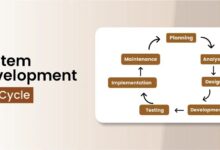
A successful system development life cycle consists of seven well-defined stages. Each stage builds upon the previous one, creating a logical flow from conception to retirement. Understanding these stages is crucial for project managers, developers, and stakeholders involved in software development.
1. Planning and Requirement Analysis
This initial phase sets the foundation for the entire system development life cycle. It involves gathering, analyzing, and documenting business requirements from stakeholders. The goal is to clearly define what the system should do, who will use it, and how it will support organizational objectives.
Key activities include feasibility studies, risk assessment, resource allocation, and project scope definition. A detailed Software Requirements Specification (SRS) document is typically produced at the end of this phase. This document serves as a contract between developers and clients, outlining functional and non-functional requirements.
- Conduct stakeholder interviews and workshops
- Perform market and competitor analysis
- Define system boundaries and integration points
According to the Project Management Institute (PMI), projects that invest sufficient time in requirement analysis are 40% more likely to succeed. Poorly defined requirements remain one of the top causes of project failure in the system development life cycle.
2. System Design
Once requirements are finalized, the next stage in the system development life cycle is system design. This phase translates user needs into a technical blueprint. Designers create architectural diagrams, data models, interface mockups, and technology stack recommendations.
There are two main types of design: high-level (architectural) design and low-level (detailed) design. High-level design focuses on system components, modules, and their interactions. Low-level design dives into database schemas, class structures, and algorithm logic.
- Select appropriate programming languages and frameworks
- Design secure authentication and authorization mechanisms
- Plan for scalability, performance, and disaster recovery
A well-crafted design minimizes rework during development and ensures the system can evolve over time. Tools like UML (Unified Modeling Language) and ER diagrams are commonly used in this phase of the system development life cycle.
3. Implementation (Development)
This is where coding begins—the heart of the system development life cycle. Developers write source code based on the design specifications. The implementation phase transforms theoretical designs into working software modules.
Modern development practices often involve version control systems (like Git), integrated development environments (IDEs), and automated build tools. Teams may follow coding standards, conduct peer reviews, and integrate unit testing to maintain code quality.
- Write clean, maintainable, and documented code
- Integrate third-party APIs and libraries
- Use CI/CD pipelines for automated testing and deployment
Organizations increasingly adopt DevOps practices during this phase to bridge the gap between development and operations. Platforms like GitHub and GitLab play a critical role in collaborative development within the system development life cycle.
4. Testing
No system development life cycle is complete without rigorous testing. This phase ensures the software meets specified requirements and is free of critical defects. Testing occurs at multiple levels: unit, integration, system, and acceptance testing.
Quality assurance (QA) engineers design test cases, execute manual and automated tests, and report bugs. Test-driven development (TDD) is gaining popularity, where tests are written before code to ensure coverage from the start.
- Perform functional and non-functional testing (performance, security, usability)
- Use tools like Selenium, JUnit, or Postman for automation
- Conduct regression testing after each update
“Testing shows the presence, not the absence, of bugs.” — Edsger W. Dijkstra
Effective testing reduces post-deployment issues and enhances user satisfaction. In regulated industries like healthcare and finance, this phase is mandatory for compliance with standards such as HIPAA or PCI-DSS.
5. Deployment
After successful testing, the software enters the deployment phase of the system development life cycle. This involves releasing the system into the production environment where end-users can access it.
Deployment strategies vary depending on the project. Common approaches include big bang (full release), phased rollout (gradual implementation), and blue-green deployment (parallel environments). Cloud platforms like AWS, Azure, and Google Cloud have made deployment faster and more reliable.
- Prepare production servers and databases
- Migrate existing data securely
- Train end-users and provide documentation
Continuous deployment models allow organizations to release updates multiple times a day. This agility is a hallmark of modern interpretations of the system development life cycle.
6. Maintenance and Support
Once live, the system enters the maintenance phase—an often underestimated but vital part of the system development life cycle. Software requires ongoing updates to fix bugs, improve performance, and adapt to changing user needs.
Maintenance activities include corrective (fixing issues), adaptive (supporting new environments), perfective (enhancing features), and preventive (avoiding future problems) maintenance. Support teams monitor system health, respond to user inquiries, and manage change requests.
- Apply security patches and software updates
- Optimize database queries and server configurations
- Collect user feedback for future improvements
Studies show that maintenance can account for up to 70% of a system’s total lifecycle cost. Proactive monitoring tools like Nagios, Datadog, or New Relic help organizations stay ahead of potential issues.
7. Evaluation and Retirement
The final stage of the system development life cycle is often overlooked but essential: evaluation and retirement. Over time, systems become outdated due to technological shifts, changing business needs, or high maintenance costs.
Before decommissioning a system, organizations must evaluate its performance, conduct impact assessments, and plan for data migration or archiving. A formal retirement process ensures compliance, data integrity, and smooth transitions to replacement systems.
- Conduct post-implementation reviews and lessons learned
- Archive historical data securely
- Notify stakeholders and transition users to new platforms
Retirement is not failure—it’s a sign of progress. Well-managed retirement phases reflect maturity in an organization’s approach to the system development life cycle.
Popular SDLC Models and Methodologies
While the system development life cycle outlines the general stages, various models dictate how those stages are executed. Choosing the right model depends on project size, complexity, team structure, and risk tolerance.
Waterfall Model
The waterfall model is the oldest and most linear approach to the system development life cycle. Each phase must be completed before moving to the next, like water flowing down steps. It works best for projects with stable, well-understood requirements.
- Clear structure and documentation
- Easy to manage due to rigid timeline and deliverables
- Ideal for regulatory or safety-critical systems
However, the waterfall model lacks flexibility. Changes are difficult and costly once the project progresses. For this reason, it’s less suitable for dynamic environments.
Agile Model
The Agile model revolutionized the system development life cycle by introducing iterative and incremental development. Instead of delivering one final product, Agile delivers working software in short cycles called sprints (usually 2–4 weeks).
Agile emphasizes customer collaboration, responding to change, and delivering value early. Frameworks like Scrum, Kanban, and Extreme Programming (XP) fall under the Agile umbrella.
- High adaptability to changing requirements
- Frequent feedback loops with stakeholders
- Improved team morale and productivity
According to the State of Agile Report, over 70% of organizations use Agile methodologies in some form. Its success lies in aligning the system development life cycle with real-world business dynamics.
Iterative and Spiral Models
The iterative model builds the system in repeated cycles, starting with a basic version and enhancing it over time. Each iteration passes through planning, design, implementation, and testing phases.
The spiral model combines iterative development with risk analysis. It’s particularly useful for large, complex, or high-risk projects. Each loop in the spiral includes risk assessment, prototyping, and evaluation.
- Early detection of design flaws
- Gradual refinement of system capabilities
- Better risk management through continuous evaluation
These models offer a balance between structure and flexibility, making them ideal for evolving systems within the system development life cycle.
Benefits of Following the System Development Life Cycle
Adopting a formal system development life cycle offers numerous advantages for organizations of all sizes. From startups to multinational corporations, SDLC provides a roadmap for successful software delivery.
Improved Project Management
With clearly defined phases and deliverables, the system development life cycle enhances project visibility and control. Managers can track progress, allocate resources efficiently, and identify bottlenecks early.
- Clear milestones and deadlines
- Better budget forecasting and cost tracking
- Enhanced accountability across teams
Project management tools like Jira, Trello, and Microsoft Project integrate seamlessly with SDLC workflows, enabling real-time collaboration and reporting.
Higher Quality Deliverables
By incorporating testing, reviews, and quality gates at every stage, the system development life cycle ensures that defects are caught early—when they’re cheaper and easier to fix.
- Reduced post-release bugs and downtime
- Consistent adherence to coding and design standards
- Greater alignment with user expectations
A study by the National Institute of Standards and Technology (NIST) found that fixing a bug after release costs 100 times more than addressing it during the design phase.
Enhanced Stakeholder Satisfaction
Transparent communication, regular updates, and involvement throughout the system development life cycle lead to higher stakeholder trust and satisfaction.
- Customers see progress through working prototypes
- Business units feel heard through active requirement gathering
- Executives gain confidence through measurable outcomes
When stakeholders are engaged, the likelihood of project success increases significantly.
Challenges and Limitations of SDLC
Despite its many benefits, the system development life cycle is not without challenges. Organizations must navigate common pitfalls to fully realize its potential.
Rigidity in Traditional Models
Linear models like Waterfall can be too rigid for fast-paced environments. Once a phase is completed, going back to make changes is difficult and disruptive.
This inflexibility often leads to systems that don’t fully meet user needs by the time they’re delivered—especially in markets where requirements evolve rapidly.
Resource Intensity
Following a strict system development life cycle requires significant investment in time, personnel, and tools. Smaller teams or startups may find it challenging to maintain comprehensive documentation and formal reviews.
However, lightweight adaptations of SDLC—such as Agile with minimal viable documentation—can offer a balanced approach.
Overemphasis on Process
In some cases, organizations become so focused on following SDLC procedures that they lose sight of the end goal: delivering value to users.
Bureaucratic overhead, excessive meetings, and slow decision-making can hinder innovation. The key is to tailor the system development life cycle to the project’s context—not apply it rigidly.
Best Practices for Implementing SDLC
To get the most out of the system development life cycle, organizations should adopt proven best practices that enhance efficiency and effectiveness.
Customize the Model to Fit Your Needs
One size does not fit all. Whether you choose Waterfall, Agile, or a hybrid model, adapt the system development life cycle to your team’s size, culture, and project requirements.
- Use Agile for customer-facing applications with evolving needs
- Stick to Waterfall for regulated or safety-critical systems
- Combine models for large-scale enterprise projects
Flexibility in process design leads to better outcomes.
Invest in Training and Tools
Equip your team with the skills and technology needed to execute the system development life cycle effectively. Regular training in SDLC methodologies, coding standards, and testing techniques is essential.
- Adopt collaboration platforms like Slack or Microsoft Teams
- Use project management and CI/CD tools
- Provide access to learning resources and certifications
Well-trained teams are more productive and produce higher-quality software.
Prioritize Communication and Documentation
Clear communication and thorough documentation are the backbone of a successful system development life cycle.
- Hold regular stand-ups, sprint reviews, and retrospectives
- Maintain up-to-date requirement and design documents
- Use version control for all artifacts
Good documentation ensures knowledge transfer, supports audits, and aids future maintenance.
Future Trends in the System Development Life Cycle
The system development life cycle continues to evolve in response to technological innovation and changing business landscapes.
AI and Automation in SDLC
Artificial intelligence is transforming the system development life cycle. AI-powered tools can now generate code, detect bugs, optimize performance, and even predict project risks.
- GitHub Copilot assists developers with code suggestions
- AI-driven testing tools identify edge cases automatically
- Predictive analytics forecast project delays and budget overruns
As AI matures, it will play an increasingly central role in accelerating and improving the system development life cycle.
DevSecOps Integration
Security is no longer an afterthought. DevSecOps embeds security practices throughout the system development life cycle—from design to deployment.
- Automated security scanning in CI/CD pipelines
- Threat modeling during the design phase
- Continuous monitoring in production
This shift-left approach ensures that security is built in, not bolted on.
Low-Code and No-Code Platforms
The rise of low-code and no-code platforms is democratizing software development. These tools allow non-technical users to build applications using visual interfaces, reducing reliance on traditional coding.
While they simplify certain aspects of the system development life cycle, they also introduce new challenges around governance, scalability, and integration.
Platforms like Microsoft Power Apps and OutSystems are redefining how organizations approach application development within the system development life cycle.
What is the main goal of the system development life cycle?
The main goal of the system development life cycle is to produce high-quality software that meets user requirements, is delivered on time and within budget, and is maintainable throughout its lifecycle.
Which SDLC model is best for fast-changing requirements?
The Agile model is best suited for projects with fast-changing requirements because it emphasizes flexibility, iterative development, and continuous customer feedback.
How does SDLC improve software quality?
SDLC improves software quality by incorporating structured phases, rigorous testing, peer reviews, and quality assurance checkpoints throughout the development process, ensuring defects are identified and resolved early.
Can SDLC be used for small projects?
Yes, SDLC can be scaled down for small projects. Lightweight versions of SDLC, such as Agile or simplified Waterfall, allow small teams to benefit from structure without excessive overhead.
What happens during the maintenance phase of SDLC?
During the maintenance phase, the system is monitored, updated, and optimized. This includes fixing bugs, applying security patches, enhancing features, and ensuring compatibility with new environments.
The system development life cycle remains a foundational framework for building reliable, scalable, and user-centric software systems. From its early roots in structured programming to its modern adaptations in Agile and DevOps, SDLC continues to provide a roadmap for success. By understanding its stages, models, benefits, and challenges, organizations can make informed decisions that drive innovation and efficiency. As technology evolves, so too will the system development life cycle—adapting to new tools, methodologies, and business demands.
Further Reading: