Ever wondered why some software just works seamlessly? The secret lies in system testing—a crucial phase that ensures your application performs perfectly under real-world conditions. Let’s dive into how it transforms chaos into clarity.
What Is System Testing?
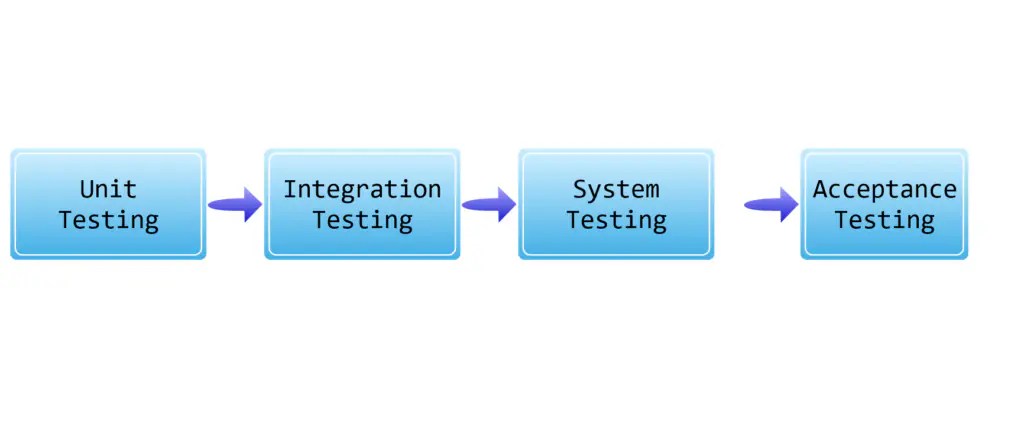
System testing is a high-level software testing process that evaluates the complete and integrated software system to verify that it meets specified requirements. It’s performed after integration testing and before acceptance testing, serving as a final checkpoint before the software goes live. This phase examines both functional and non-functional aspects, ensuring the system behaves as expected in real-world scenarios.
Definition and Scope
System testing involves validating the entire system as a whole, rather than individual components. It checks whether the system complies with functional and non-functional requirements gathered during the initial phases of development. The scope includes testing data flow, system behavior, performance, security, and reliability under various conditions.
- Tests the system as a unified entity
- Covers both front-end and back-end interactions
- Validates compliance with business and technical specifications
“System testing is not just about finding bugs—it’s about building confidence in the software’s readiness for deployment.” — ISTQB Foundation Level Syllabus
Types of System Testing
There are several types of system testing, each targeting different aspects of the software. These include functional testing, performance testing, security testing, usability testing, and recovery testing. Each type plays a vital role in ensuring the software is robust, secure, and user-friendly.
- Functional Testing: Validates that the system functions according to requirements.
- Performance Testing: Measures speed, responsiveness, and stability under load.
- Security Testing: Identifies vulnerabilities and ensures data protection.
Why System Testing Matters
System testing is not just a phase—it’s a necessity. Without it, software can fail in production, leading to data loss, security breaches, or poor user experience. It acts as a safety net, catching defects that unit and integration tests might miss. By simulating real-world usage, it ensures the software behaves as intended across different environments and user behaviors.
Preventing Costly Failures
Bug detection in production is exponentially more expensive than during development. According to IBM Systems Sciences Institute, the cost of fixing a bug after release is up to 100 times higher than during the design phase. System testing helps identify critical issues early, reducing repair costs and downtime.
- Reduces post-deployment maintenance costs
- Minimizes risk of system crashes
- Protects brand reputation by avoiding public failures
Ensuring Compliance and Standards
In regulated industries like healthcare, finance, and aviation, system testing is mandatory for compliance. Standards such as ISO/IEC 25010, HIPAA, and GDPR require rigorous testing to ensure data integrity, privacy, and system reliability. Skipping system testing can lead to legal penalties and loss of certification.
- Meets regulatory requirements
- Supports audit readiness
- Ensures data confidentiality and integrity
The System Testing Process: A Step-by-Step Guide
Conducting effective system testing requires a structured approach. From planning to closure, each step ensures thorough evaluation and traceability. This process is iterative and often repeated across development cycles, especially in Agile environments.
1. Test Planning
This initial phase defines the objectives, scope, resources, schedule, and deliverables of system testing. A comprehensive test plan outlines the testing strategy, tools, environments, and risk mitigation approaches. It also identifies entry and exit criteria to determine when testing begins and ends.
- Define test objectives and goals
- Select appropriate testing tools (e.g., Selenium, JMeter)
- Establish test environment requirements
2. Test Case Design
Test cases are created based on system requirements and use cases. Each test case includes preconditions, input data, expected results, and post-conditions. They must cover both positive and negative scenarios to validate system resilience.
- Derive test cases from functional specifications
- Include boundary value analysis and equivalence partitioning
- Ensure traceability to requirements
3. Test Environment Setup
A stable and representative test environment is crucial. It should mirror the production environment in terms of hardware, software, network configuration, and database. Any discrepancies can lead to false positives or missed defects.
- Replicate production infrastructure
- Use virtualization or containerization (e.g., Docker, Kubernetes)
- Ensure data masking for privacy compliance
Functional vs. Non-Functional System Testing
System testing is broadly categorized into functional and non-functional testing. While functional testing verifies what the system does, non-functional testing evaluates how well it performs. Both are essential for delivering a high-quality product.
Functional System Testing
This type validates the system’s functionality against business requirements. It includes testing features like login, search, payment processing, and data validation. Techniques such as black-box testing are commonly used, where testers don’t need to know the internal code structure.
- End-to-end workflow validation
- Integration with external systems (APIs, databases)
- User role-based access testing
“Functional testing ensures the software does what it’s supposed to do.” — Software Testing Fundamentals, Guru99
Non-Functional System Testing
Non-functional testing assesses performance, scalability, reliability, and usability. It answers questions like: How fast does the system respond under load? Can it handle 10,000 concurrent users? Is the interface intuitive?
- Performance Testing: Uses tools like Apache JMeter to simulate load.
- Usability Testing: Involves real users to evaluate user experience.
- Recovery Testing: Checks system resilience after crashes or failures.
Common Challenges in System Testing
Despite its importance, system testing faces several challenges that can impact its effectiveness. Recognizing these hurdles helps teams prepare better strategies and allocate resources efficiently.
Environment Inconsistencies
Differences between test and production environments often lead to undetected bugs. Missing configurations, outdated software versions, or incorrect network settings can cause tests to pass in staging but fail in production.
- Solution: Use infrastructure-as-code (IaC) tools like Terraform or Ansible
- Implement continuous environment validation
- Automate environment setup to reduce human error
Data Management Issues
Test data must be realistic yet secure. Using production data without masking violates privacy laws. Generating synthetic data that mimics real usage patterns is challenging but necessary.
- Use data anonymization tools
- Leverage test data management (TDM) platforms
- Ensure data consistency across test cycles
Test Automation Complexity
While automation speeds up system testing, creating and maintaining automated test scripts is complex. Flaky tests, UI changes, and integration issues can reduce reliability.
- Adopt a modular test automation framework
- Use AI-powered testing tools for self-healing scripts
- Balance automated and manual testing
Best Practices for Effective System Testing
To maximize the value of system testing, teams should follow industry-proven best practices. These strategies improve test coverage, reduce defects, and accelerate delivery without compromising quality.
Start Early, Test Often
Shift-left testing encourages testing early in the development lifecycle. By involving testers during requirement analysis, teams can identify ambiguities and design flaws before coding begins.
- Conduct requirement reviews with QA involvement
- Perform risk-based testing to prioritize critical areas
- Integrate testing into CI/CD pipelines
Leverage Test Automation Wisely
Automation is powerful but should be applied strategically. Focus on repetitive, high-impact test cases like regression and smoke tests. Avoid automating unstable or rarely executed scenarios.
- Use frameworks like TestNG or PyTest for structured automation
- Integrate with CI tools like Jenkins or GitLab CI
- Maintain a clean, reusable test script repository
Ensure Comprehensive Test Coverage
Test coverage metrics help identify untested areas. Aim for high functional coverage, but also consider code coverage, path coverage, and risk coverage. Tools like SonarQube or Coveralls can provide insights into gaps.
- Map test cases to requirements traceability matrix (RTM)
- Use code coverage tools for white-box insights
- Conduct peer reviews of test cases
Tools and Technologies for System Testing
The right tools can significantly enhance the efficiency and accuracy of system testing. From open-source frameworks to enterprise-grade platforms, the market offers diverse solutions tailored to different testing needs.
Open-Source Testing Tools
Open-source tools are cost-effective and widely supported by communities. They are ideal for startups and small teams looking to build robust testing pipelines without heavy investment.
- Selenium: For web application testing (selenium.dev)
- Apache JMeter: For performance and load testing (jmeter.apache.org)
- Postman: For API testing and automation
Enterprise Testing Platforms
Large organizations often require scalable, integrated solutions with advanced reporting, collaboration, and compliance features.
- Micro Focus UFT: Supports functional and regression testing
- IBM Rational Functional Tester: Integrates with DevOps workflows
- Tricentis Tosca: Enables model-based test automation
“The best tool is the one that fits your team’s skills, project scope, and long-term goals.” — Software Testing Expert, James Bach
System Testing in Agile and DevOps
In modern software development, system testing is no longer a final phase—it’s an ongoing activity integrated into Agile sprints and DevOps pipelines. This shift enables faster feedback, continuous quality assurance, and rapid delivery.
Integration with Agile Methodology
In Agile, system testing occurs at the end of each sprint or release cycle. Testers work alongside developers, ensuring that new features are tested in the context of the whole system. This collaborative approach reduces integration risks and improves product quality.
- Conduct system testing in sprint review phases
- Use user stories to derive test scenarios
- Perform regression testing after each integration
Continuous Testing in DevOps
DevOps emphasizes automation and continuous delivery. System testing is embedded in the CI/CD pipeline, where automated tests run on every code commit. This ensures that only high-quality code reaches production.
- Trigger system tests via Jenkins or GitHub Actions
- Use containerized environments for consistency
- Implement test result dashboards for real-time monitoring
What is the main goal of system testing?
The main goal of system testing is to evaluate the complete, integrated software system to ensure it meets specified functional and non-functional requirements. It verifies that the system works as expected in real-world conditions before deployment.
How is system testing different from integration testing?
Integration testing focuses on verifying interactions between modules or components, while system testing evaluates the entire system as a whole. System testing includes both functional and non-functional aspects and is performed after integration testing.
Can system testing be automated?
Yes, system testing can be automated using tools like Selenium, JMeter, and Postman. Automation is especially effective for regression, performance, and repetitive functional tests, though some aspects like usability may still require manual testing.
What are common types of system testing?
Common types include functional testing, performance testing, security testing, usability testing, recovery testing, and compliance testing. Each type targets a specific quality attribute of the system.
When should system testing be performed?
System testing should be performed after integration testing and before user acceptance testing (UAT). In Agile and DevOps environments, it is conducted iteratively at the end of each sprint or release cycle.
System testing is the cornerstone of software quality assurance. It bridges the gap between development and deployment, ensuring that applications are not only functional but also reliable, secure, and performant. By following a structured process, leveraging the right tools, and adopting best practices, teams can deliver software that meets user expectations and withstands real-world challenges. Whether you’re in a traditional waterfall model or a fast-paced DevOps environment, investing in robust system testing is non-negotiable for success.
Further Reading:
